Vietnam E-Visa for Paraguayan Citizens 2026: The Only Guide You Actually Need
If you’re researching the Vietnam visa for Paraguayan citizens in 2026, let me save you a lot of time: the old system is dead, the new one is better, and most of the Spanish-language guides floating around the internet are dangerously out of date. I’ve spent two decades watching travelers from Latin America get blindsided at check-in because they trusted advice that was written in 2019 and never updated. Don’t be one of them.
Vietnam is extraordinary right now. Ha Long Bay. Hoi An. The chaos and color of Saigon’s streets at 6am. The country has been pulling more visitors from South America each year, and Paraguayan travelers in particular have discovered what the rest of the world quietly knew: this is one of the most extraordinary destinations on earth, and it’s still remarkably affordable. But getting there requires one critical step — your e-visa — done correctly before you even think about packing.
The approval letter system that old websites call “Visa on Arrival” — the one where a third-party agency issued you a paper letter, and you queued for hours at the airport? Gone. Legally obsolete since Vietnam overhauled its immigration infrastructure. What replaced it is cleaner, faster, and entirely digital: the 90-day Vietnam E-visa, available for single or multiple entry, applied for 100% online. That is the standard for 2026, full stop.
Vietnam E-Visa for Paraguayan Citizens 2026: The Only Guide You Actually Need
Vietnam E-Visa Requirements for Paraguayan Citizens
The vietnam visa for Paraguayan citizens in 2026 is processed through Vietnam’s official e-visa portal, and the requirements are straightforward — though a few details trip people up every year, and I’ll flag those as we go.
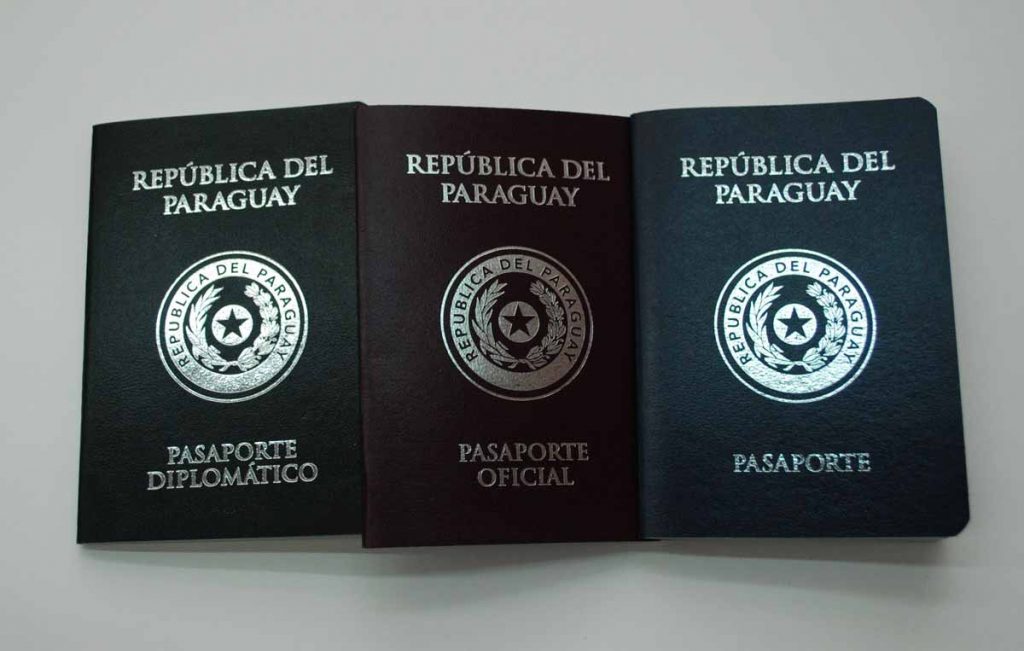
Your Paraguayan passport must be valid for at least 6 months beyond your intended arrival date in Vietnam. Non-negotiable. Airlines will deny boarding before immigration even gets involved. You’ll also need at least one blank page for the entry stamp — two is safer.
Documents you’ll need to have ready:
- Valid Paraguayan biometric passport (valid 6+ months past travel date)
- Recent passport-style photo (white background, face uncovered, within last 6 months)
- Clear scan or high-resolution photo of your passport’s biographical data page
- Confirmed entry and exit dates for Vietnam
- Vietnam accommodation address (hotel or host address for first night)
- Valid credit/debit card for the application fee payment
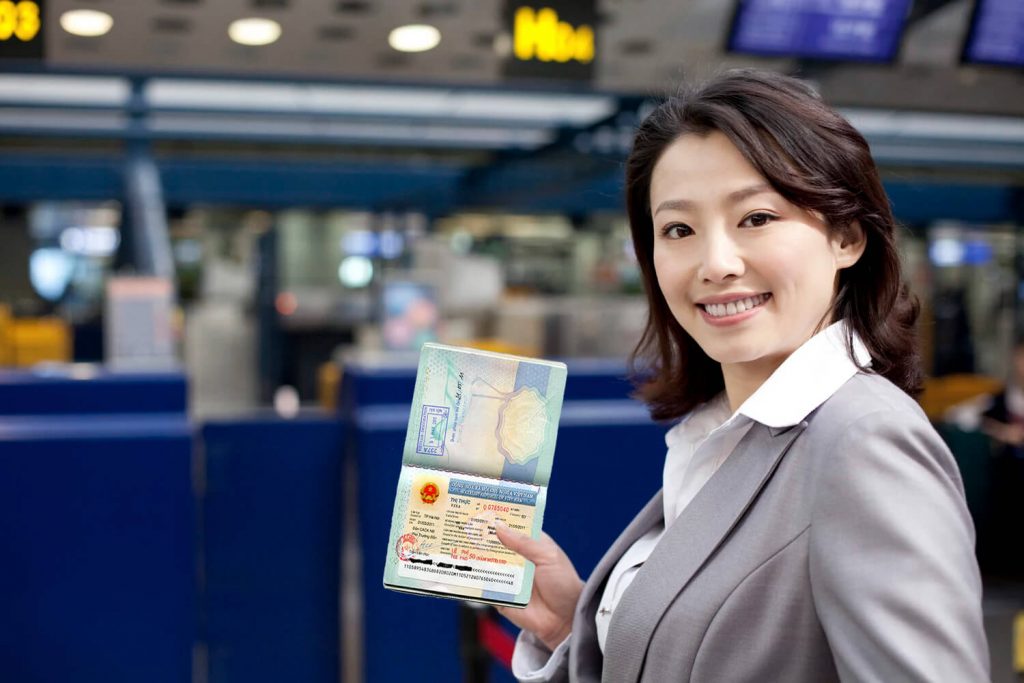
Processing runs 3 business days for standard applications. There’s also an urgent processing option if you need it faster — more on that below. The e-visa fee is paid directly through the portal at the time of application. Once approved, Vietnam accepts your e-visa digitally on your phone or as a printout — either works at immigration.
The 90-day validity covers both tourism and business visits. Single entry or multiple entry options are both available, and for most travelers planning to hop between Vietnam and neighboring countries like Cambodia or Laos, the multiple-entry version is worth the slight additional cost.
Denied Boarding at ASU: What Happens When Your Visa Isn’t Ready
Here’s the scenario I’ve seen more times than I’d like to count, and it almost always starts the same way at Silvio Pettirossi International Airport (ASU) in Asunción.
Traveler arrives at check-in, flight to Ho Chi Minh City via São Paulo or Buenos Aires, suitcase packed, excitement running high. The agent scans the passport, checks the visa status, and stops. “Sir, your Vietnam e-visa hasn’t been approved yet.” Or worse: “Your e-visa application was rejected due to a name mismatch.”
The flight boards in two hours. The connection is tight. There is no Vietnamese consulate in Paraguay — the nearest is in Buenos Aires, Argentina. You are, in that moment, completely stuck.
This is not a hypothetical. It happens to multiple travelers every month across Latin America, and it happens for preventable reasons: applications submitted too late, name formatting errors caught by the automated verification system, or photo rejections that nobody noticed until the airline flagged the incomplete approval.
If you’re reading this from an airport right now in a panic, there is a solution. Our Super Urgent Visa Service can push an emergency e-visa clearance through priority processing channels in 2 to 4 hours — fast enough to make most flights if you contact us the moment you hit trouble. Not a guarantee for every situation, but it has saved more itineraries than I can count.
💡 Expert Insight from Stanley Ho: “Over my 20+ years handling travel logistics, the most frequent disruption occurs at the check-in desk due to simple application formatting errors. If you are stuck at the airport and denied boarding, don’t panic—our emergency team can secure a new E-visa clearance through priority channels within hours, saving your flight.”
The takeaway is simple: apply for your Vietnam visa for Paraguayan citizens at least 7–10 days before departure. Give yourself runway. The standard 3-business-day processing is reliable, but the real buffer is insurance against a rejection you need time to fix.
Vietnam E-Visa for Paraguayan Citizens 2026: The Only Guide You Actually Need
The Paraguayan Passport Trap: Name Formatting Errors That Kill Applications
This is the section most guides skip entirely, and it’s the one that causes the most rejected applications from South American travelers. I need you to pay attention here.
Paraguay uses the Spanish double-surname system — paternal surname followed by maternal surname, both of which appear in full on your passport. For example, a passport might read: Carlos Andrés Rodríguez Benítez. Two given names, two surnames. Four name components in total.
The Vietnam e-visa portal has a relatively simple structure: First Name field and Last Name field. When Paraguayan applicants fill this out, they face a choice that seems simple but causes enormous problems if done inconsistently: which surnames go where, and how do you handle the space?
The most common error I see: applicants enter their paternal surname only in the Last Name field, completely omitting the maternal surname — Benítez in the example above. The portal accepts it. The system generates an e-visa. But when that e-visa is cross-referenced against the passport at immigration, the name doesn’t match exactly. Vietnamese immigration officers at Noi Bai and Tan Son Nhat are trained to flag these discrepancies, and they will.
The second trap: special characters. Paraguayan names frequently include accented vowels — á, é, í, ó, ú — and the letter ñ, which appears in surnames like Muñoz, Ibáñez, Peña, and Jiménez. Vietnam’s e-visa portal does not support these characters. You must enter the plain Latin equivalent: n instead of ñ, unaccented vowels throughout. This should match how your passport’s machine-readable data line appears — stripped of diacritics. Enter it that way and your application will clear; try to preserve the accent marks and the system will either reject the field or create a mismatch.
Third issue, and one I’ve seen specifically with Paraguayan passports: compound given names separated by the word “de” or “del” — names like María de los Ángeles or Juan de Dios. The portal may not handle the preposition gracefully. In these cases, drop the preposition and enter the names as a continuous string: MARIA DE LOS ANGELES becomes MARIA DE LOS ANGELES in capital letters without accents, exactly as it appears in your passport’s data zone.
When in doubt — and I genuinely mean this — match your e-visa name entry exactly to the all-caps transliterated version on your passport’s bottom two machine-readable lines. That version has already stripped all special characters and compound connectors. Copy it faithfully, and your name will match.
Skip the Queue: VIP Fast-Track at Vietnam’s Airports
Once your e-visa is approved, you still have to get through arrival immigration at one of Vietnam’s major airports — and depending on when you land, that queue can be significant. Flights arriving at Tan Son Nhat in Ho Chi Minh City (SGN) during peak hours can have standard immigration queues running 45 minutes to over an hour. After a 20-plus hour journey from Paraguay through two connections, that wait is nobody’s idea of a good start.
This is where VIP Airport Fast-Track changes the equation entirely.
The service works like this: a personal concierge meets you at the aircraft gate the moment you disembark — before you even reach the general terminal flow. They guide you directly through the diplomatic and priority immigration channel, completely bypassing the standard queue. Your documents are processed first, your bags are tracked, and you’re typically through immigration and into arrivals within 15–20 minutes of landing.
The service is available at Noi Bai International Airport (HAN) in Hanoi, Tan Son Nhat International Airport (SGN) in Ho Chi Minh City, and Da Nang International Airport (DAD). For business travelers arriving for meetings, or families traveling with young children, or anyone who has just spent 24 hours in transit from Asunción, this is a genuinely sensible investment — not a luxury add-on, just a practical time-saver.
How to Apply for Your Vietnam E-Visa in 2026
The application process is fully online and takes about 20 minutes if you have your documents ready. Here’s the exact flow:
Step 1: Go to Vietnam’s official e-visa portal or apply through a trusted service like VisaOnlineVietnam.com, which provides application review, error-checking, and support throughout the process.
Step 2: Fill in your personal details — full name as it appears on your passport (remember: no accents, no special characters, both surnames included in the correct field), date of birth, nationality, passport number, and expiry date. This is where Paraguayan applicants need to be particularly careful. Read the name formatting section above before you fill in this step.
Step 3: Upload your photo and passport scan. The photo must meet Vietnam’s specifications: plain white background, full face, no glasses, taken within the last 6 months. Poor photo quality is one of the most common rejection reasons and the easiest to avoid — just use good lighting and a clean background.
Step 4: Enter your Vietnam travel details — intended entry date, intended exit date, first accommodation address in Vietnam.
Step 5: Pay the application fee by credit or debit card. The portal accepts most major international cards.
Step 6: Submit your application and wait. Standard processing is 3 business days; urgent processing is available for same-day or next-day clearance if your travel is imminent.
Step 7: Receive your e-visa approval by email. Save it digitally and optionally print a copy. Vietnam accepts both at immigration. Done.
Frequently Asked Questions
Can Paraguayan citizens get a visa on arrival in 2026? No. The old Visa on Arrival approval letter system — where a third-party agency issued a paper letter and you collected your visa stamp after landing — was permanently discontinued. In 2026, the only valid tourist entry document is the 90-day Vietnam E-visa, applied for and approved fully online before you travel. Any website still promoting the approval letter method is giving you obsolete information.
How long is the Vietnam E-visa valid for Paraguayan passport holders? The standard e-visa is valid for 90 days from the date of entry, with options for single or multiple entry. This is more than enough for the vast majority of tourist trips. If you’re planning an extended stay beyond 90 days, you would need to look at other visa categories, which our team can advise on.
My name has accents and a double surname — how do I enter it correctly on the e-visa application? Enter your name exactly as it appears in the machine-readable zone at the bottom of your passport’s photo page — in all capital letters, no diacritical marks, no accents, no tildes. For double surnames, include both (paternal and maternal) in the Last Name field, separated by a space. If your name includes a preposition like “de” or “del,” keep it in lowercase as it appears in the machine-readable data. If you’re unsure, contact us before submitting — a name mismatch is far easier to fix before approval than after.
Can I extend my Vietnam E-visa once I’m already in the country? The e-visa itself cannot be extended through an online renewal in the traditional sense. If you need to stay longer than your approved period, you would need to either exit Vietnam and reapply (if on multiple-entry), or work with a local immigration agent to arrange an in-country extension through official channels. This is situational and depends on your visa type — reach out to our team early if you think your plans might extend beyond your original dates.
Is the Vietnam E-visa accepted at all entry points? Yes. The 2026 Vietnam E-visa is valid at all international airports, land border crossings, and seaports designated for international entry. This includes Noi Bai (Hanoi), Tan Son Nhat (Ho Chi Minh City), Da Nang, Cam Ranh, Phu Bai, Cat Bi, and all official land and maritime crossings. There are no airport-specific restrictions, unlike the old VOA letter system which had limited entry point coverage.
About the Reviewer: Stanley Ho is the CEO of VisaOnlineVietnam and a recognized expert consultant in the international aviation and travel service industry. With decades of experience navigating complex immigration regulations, Stanley and his team specialize in providing seamless visa solutions, fast-track airport services, and emergency travel assistance for global citizens visiting Vietnam.